
What is Lipedema Treatment for?
Lipedema is a chronic condition in which painful fat builds up symmetrically in the legs, hips and sometimes the arms, almost always in women, while the hands and feet are usually spared. It is often mistaken for ordinary weight gain or lymphedema, and it does not respond to diet and exercise the way normal fat does. Treatment starts with conservative care — compression garments, manual lymphatic drainage and gentle exercise — and, for appropriate candidates, tumescent lymph-sparing liposuction to remove the diseased fat. It is important to know what treatment cannot do: it is not a cure for lipedema, it is not weight-loss surgery, and it does not treat obesity or primary lymphedema.
Benefits
- Reduced pain, heaviness and tenderness in the legs and arms
- Easier walking, standing and exercise
- Less swelling and bruising with compression therapy
- Improved limb shape and proportion with lymph-sparing liposuction
- A clear diagnosis after years of being told to simply lose weight
Who benefits?
- Women with symmetric, painful fat in the legs or arms that spares the hands and feet
- Patients whose symptoms persist despite diet, exercise and weight loss
- Patients who have tried compression therapy and still struggle with pain or mobility
- Healthy patients at a stable weight with realistic goals
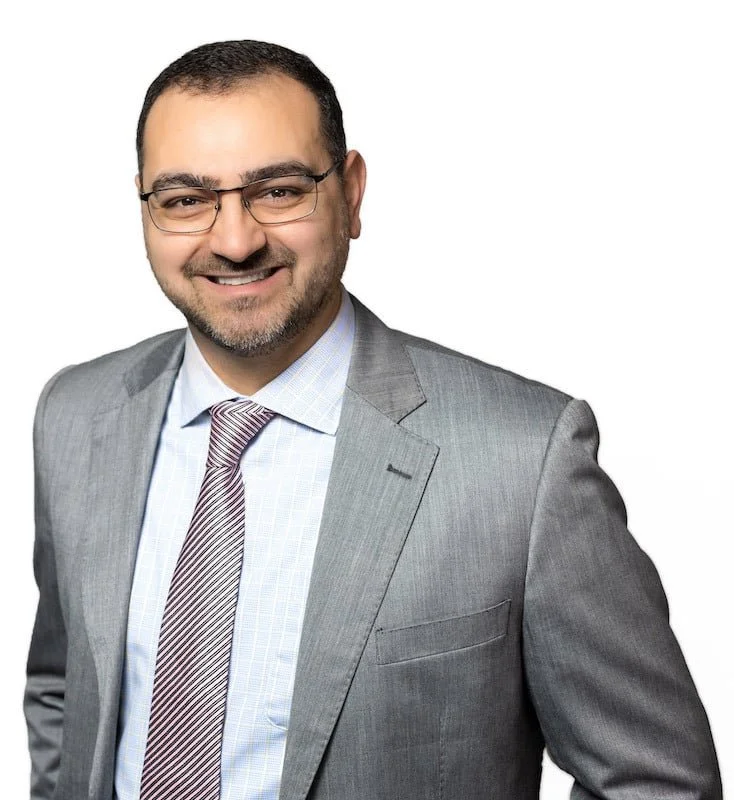
Dr. Saba's approach
- Your visit starts with a careful history and physical examination: where the fat is distributed, whether the feet are spared, tenderness, easy bruising, and how symptoms have changed over time.
- Dr. Saba works to distinguish lipedema from lymphedema and ordinary obesity, because each is treated differently. When needed, he may recommend additional evaluation before any surgery is considered.
- Conservative care comes first. Most patients begin with properly fitted compression garments, manual lymphatic drainage and low-impact exercise, and many manage their symptoms this way.
- When surgery is appropriate, he plans tumescent, lymph-sparing liposuction — often staged over more than one session — to remove diseased fat while protecting the lymphatic vessels.
Preparation & procedure
- Before surgery, most patients complete a trial of compression therapy and lymphatic drainage, both to confirm the diagnosis and to document conservative treatment for insurance review.
- You will have a medical evaluation and may need lab work or clearance from your primary care physician, and you will review which medications and supplements to pause before surgery.
- On the day of surgery, tumescent fluid is placed in the treatment areas and the diseased fat is removed through small incisions using lymph-sparing technique. Larger cases are staged across separate sessions for safety.
- Most patients go home the same day with compression garments in place and detailed aftercare instructions.
Recovery time
Recovery depends on the treatment. Compression therapy and lymphatic drainage involve no downtime. After lymph-sparing liposuction, most patients return to light daily activity within 1–2 weeks, wear compression garments for several weeks to months, and see swelling improve gradually over 6–12 months.
Days 1–3
Rest at home with compression garments in place. Soreness, swelling and fluid drainage from the small incisions are expected. Short, gentle walks help circulation.
Week 1
Your first follow-up visit with Dr. Saba. Many patients notice their legs already feel lighter, though bruising and swelling are still present.
Weeks 2–4
Most patients return to desk work and gradually increase walking. Compression garments are worn around the clock as directed.
Weeks 6–8
Gradually resume full exercise once cleared. Many patients transition to daytime-only compression.
6–12 months
Swelling continues to settle and the final contour becomes clear. Ongoing compression, exercise and weight stability help maintain the result.
Every patient heals differently. Dr. Saba will give you a personalized recovery plan.
Risks & alternatives
- As with any surgery, risks include bleeding, infection, fluid collections (seroma), contour irregularities, changes in skin sensation, scarring and blood clots. Lymph-sparing technique is used to reduce the risk of lymphatic injury, but no technique removes risk entirely.
- Lipedema is a chronic condition. Surgery removes existing diseased fat and relieves symptoms for most patients, but it is not a cure, and the condition can progress or return, especially with significant weight gain.
- Non-surgical alternatives include continued compression therapy, manual lymphatic drainage, gentle exercise such as walking or swimming, and weight management. For patients whose main concern is obesity rather than lipedema, medical weight management or bariatric evaluation may be the more appropriate path.
- Dr. Saba will discuss the balance of benefits, risks and alternatives for your situation before any treatment is scheduled.
Insurance coverage
- Coverage for lipedema treatment varies widely. Some plans cover lymph-sparing liposuction when medical-necessity criteria are met; others still consider it investigational and do not cover it.
- Insurers that do cover it commonly ask for documentation of a confirmed diagnosis, a trial of conservative therapy such as compression garments, and photographs or measurements.
- Dr. Saba's office can help document your symptoms and conservative treatment and submit for pre-authorization before surgery is scheduled.
- When surgery is not covered, conservative care such as compression garments may still be covered separately under your plan.
What does it cost?
- Cost depends on how many areas are treated and whether your plan is staged over more than one session, along with the surgical fee, anesthesia and surgical facility.
- If insurance approves coverage, your share depends on your plan's deductible, copay and coinsurance.
- For self-pay patients, you'll receive a personalized quote after your consultation. Ask about financing options when you book.
Common questions
Is lipedema just obesity?
No. Lipedema fat is distributed symmetrically in the legs and arms, spares the hands and feet, is often painful and easy to bruise, and does not respond normally to diet and exercise. Many patients are told for years to simply lose weight before getting the right diagnosis.
Will liposuction cure my lipedema?
No treatment cures lipedema. Lymph-sparing liposuction removes diseased fat and relieves pain and heaviness for most patients, but the condition is chronic and can progress. Ongoing compression, exercise and weight stability remain important after surgery.
Will I lose weight from the surgery?
Lipedema surgery is not weight-loss surgery. It removes diseased fat from specific areas to relieve symptoms and improve shape and mobility, not to lower the number on the scale.
How many surgeries will I need?
It depends on how many areas are affected. Larger cases are often staged over two or more sessions for safety. Dr. Saba will outline a plan at your consultation.
Is lipedema treatment covered by insurance?
Coverage varies by plan. Some insurers cover lymph-sparing liposuction when medical-necessity criteria are documented; others consider it investigational. The office can help prepare documentation and submit for pre-authorization.
When will I see my final result?
Many patients feel lighter and more comfortable within weeks, but swelling settles gradually. The final contour typically becomes clear over 6–12 months.
Your consultation
- Bring any previous records related to your legs or swelling, a list of your medications and supplements, and notes on what treatments — such as compression garments or physical therapy — you have already tried.
- At your consultation, Dr. Saba will examine the pattern of fat and swelling, discuss your symptoms and goals, explain whether lipedema, lymphedema or another condition is most likely, and review conservative and surgical options.
- You will have time to ask questions about recovery, risks, insurance and costs before deciding anything. Request a consultation online or call the office to schedule.
Ready to talk about lipedema treatment?
Share your goals and questions, and Dr. Saba's office will help you understand your options, including insurance review.
Request a ConsultationWhy choose Dr. Saba?
Dr. Salim Saba is dual board-certified by the American Board of Plastic Surgery and the American Board of Surgery, with more than 15 years of experience and training at UT Southwestern and UC San Diego. He evaluates each patient carefully to distinguish lipedema from lymphedema and ordinary weight gain, and plans staged, lymph-sparing treatment around your health.
Lipedema Treatment Before & After
See real lipedema treatment patient results, shared with consent.