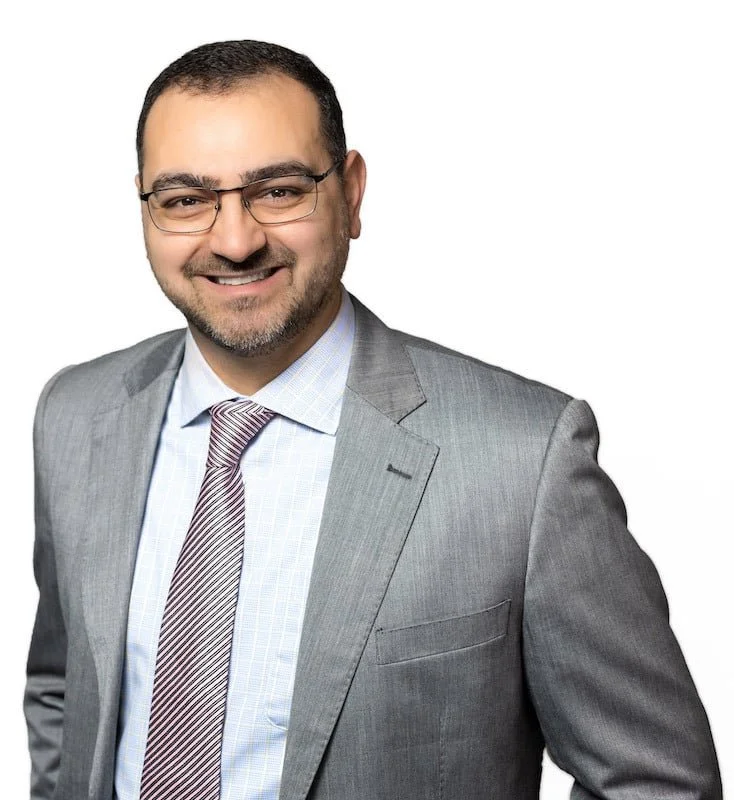
Medically reviewed by Dr. Salim Saba, MD, FACS ·
Immediate vs Delayed Breast Reconstruction Kentucky: The Main Differences
If you are searching for “immediate vs delayed breast reconstruction Kentucky,” you may be trying to make several difficult decisions at once. Breast reconstruction can rebuild the shape of a breast after mastectomy, but the timing matters. Immediate reconstruction begins during the same operation as breast removal. Delayed reconstruction begins later, after the chest has healed or after treatments such as chemotherapy and radiation. Neither approach is right for everyone. Your cancer treatment plan, health, and wishes should guide the decision.
Immediate reconstruction does not always mean a finished breast in one operation. A surgeon may place a temporary tissue expander, an implant, or tissue taken from another part of your body. Additional procedures may follow. Delayed reconstruction can happen months or years after mastectomy. There is usually no single deadline that applies to every patient, although your health and the condition of your chest tissues can change which methods are suitable.
Timing can affect scars, the amount of breast skin available, the number of procedures, and your emotional experience. It does not determine whether you made a good or bad choice. A coordinated discussion with your breast surgeon, plastic surgeon, and oncology team helps keep cancer treatment the priority while making room for your reconstruction goals.
What Immediate Reconstruction Can Offer
Immediate reconstruction may allow the surgical team to preserve more of the breast skin when it is safe to do so. In selected patients, the nipple may also be preserved, but that decision depends on cancer location, blood supply, and other factors. Keeping the skin envelope can help support the reconstructed breast’s shape. Some patients also value waking from mastectomy with a breast mound or tissue expander rather than a flat chest.
Combining mastectomy with the first reconstruction stage can reduce the need for a separate operation to start rebuilding the breast. However, the combined surgery is longer and creates more healing demands than mastectomy alone. Risks include infection, bleeding, fluid buildup, poor wound healing, and loss of skin or nipple tissue. Implant reconstruction also carries risks such as implant exposure or loss. Tissue-flap reconstruction has its own risks, including problems with blood flow to the transferred tissue.
Immediate reconstruction may not be the best choice when medical conditions increase surgical risk or when the treatment plan is still uncertain. Smoking, poorly controlled diabetes, and other health concerns can affect healing. A complication could interfere with the planned start of additional cancer treatment, so the team must weigh that possibility carefully. Immediate reconstruction is an option to discuss, not a requirement or a guarantee of a better result.
How Radiation and Chemotherapy Influence Timing
Radiation is often a major factor in choosing reconstruction timing. It can make skin and underlying tissues tighter, less flexible, and slower to heal. When an implant is present, radiation can increase the risk of capsular contracture, which is tightening of scar tissue around the implant. This may cause firmness, discomfort, or a change in breast shape. Radiation can also affect reconstructed breasts made with your own tissue, including their softness and volume.
If radiation is expected, your team may recommend waiting to complete reconstruction until afterward. Another approach, sometimes called delayed-immediate reconstruction, uses a temporary tissue expander at mastectomy to help preserve the skin envelope. The final reconstruction takes place later, with the plan adjusted as cancer treatment needs become clear. This approach still involves surgery and possible complications, and it is not appropriate for every patient.
Chemotherapy also affects scheduling because it can lower blood counts and temporarily reduce the body’s ability to fight infection or heal. Reconstruction may occur before or after chemotherapy, depending on the overall treatment plan. Delayed breast reconstruction timing after radiation is individualized: the team considers skin recovery, tissue flexibility, and your general health rather than relying on one fixed waiting period. Your plastic surgeon and oncologist should agree that you are ready for surgery.
Breast Reconstruction Options After Mastectomy
The main breast reconstruction options after mastectomy are implant-based reconstruction and reconstruction using your own tissue, also called autologous or flap reconstruction. Implant-based surgery may begin with a tissue expander that is gradually filled during office visits. A later operation replaces it with an implant. Some patients can receive an implant directly at mastectomy, but this depends on the quality and blood supply of the remaining skin, the desired size, and other clinical factors.
Flap reconstruction uses skin and fat, sometimes with muscle, from another area of the body to rebuild the breast. With microsurgical techniques, the surgeon reconnects small blood vessels to supply the transferred tissue. A DIEP flap, for example, uses lower-abdominal skin and fat while preserving the abdominal muscle. These operations are more involved and create a second surgical site. Risks include wound problems, blood clots, donor-site weakness or bulging, and partial or complete loss of the flap.
Your own tissue may be particularly useful when radiation has left the chest skin tight or damaged because it brings tissue with its own blood supply into the area. Still, not everyone has suitable donor tissue or can safely undergo a longer operation. Implant and flap methods can both be used with immediate or delayed plans in selected patients. At Cumberland Plastic Surgery of Kentucky, the Breast Reconstruction After Breast Cancer service includes advanced microsurgical and implant-based options, with recommendations based on individual needs.
Understanding Surgery Stages, Recovery, and Results
Mastectomy reconstruction stages depend on the method chosen and how healing progresses. An expander-to-implant plan usually includes the initial surgery, expansion visits, and an implant exchange. Flap reconstruction begins with tissue transfer but may be followed by procedures to refine the shape. Either method may include fat grafting, scar revision, nipple reconstruction, or nipple tattooing. Some patients also consider surgery on the other breast to improve balance. These steps are choices to discuss, not procedures every patient needs.
Recovery varies with the operation, your health, and whether cancer treatment is ongoing. You may have drains, temporary limits on lifting, and instructions for caring for incisions. Flap surgery involves healing in both the chest and the donor area and often requires a longer initial recovery than implant-based surgery. Your team will explain when you can drive, return to work, and exercise. Report increasing redness, fever, unexpected swelling, or worsening pain promptly, and seek urgent help for chest pain or trouble breathing.
Reconstruction can improve breast shape and symmetry, but it cannot recreate a natural breast exactly. Scars are permanent, sensation often remains reduced, and additional surgery may be needed over time. Implants are not lifetime devices and may require replacement or removal. Waiting can mean working with a tighter skin envelope, while immediate reconstruction may preserve more skin. Even so, radiation, healing, surgical technique, and individual anatomy all influence the final result; timing alone cannot predict it.
Common Questions and the Emotional Side of Waiting
Many patients wonder whether waiting means they have missed their chance. In many cases, reconstruction remains possible years after mastectomy, provided health and tissue conditions allow it. Others ask whether immediate reconstruction can interfere with cancer follow-up. Reconstruction does not eliminate the need for follow-up, and your oncology team will explain how examinations and any recommended imaging should be handled. Reconstruction also does not replace cancer treatment or change the need for treatments your oncology team recommends.
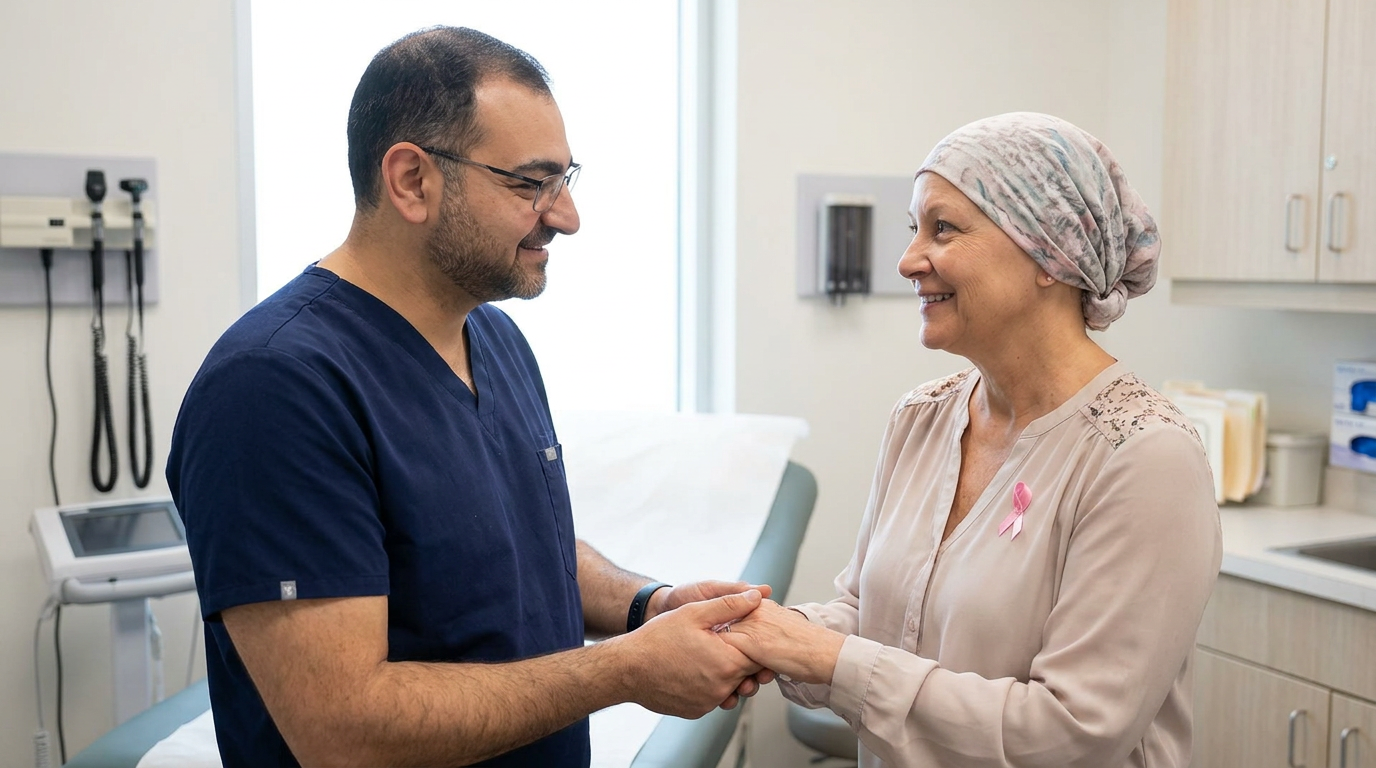
The emotional difference between immediate and delayed surgery can be significant. Immediate reconstruction may help some patients feel more comfortable with the change in their body. Others prefer to focus on cancer treatment first and decide about reconstruction later. Delaying may bring feelings of loss or frustration, but it can also provide time to recover and consider options without pressure. Counseling, support groups, and a breast care nurse can help. Choosing an external breast prosthesis or choosing no reconstruction is also valid.
Patients often ask about insurance and whether an early consultation is useful even if they plan to wait. An early visit can help clarify options without committing you to surgery. Qualifying reconstructive care may be covered, but benefits, authorizations, and out-of-pocket costs depend on your plan. Cumberland Plastic Surgery of Kentucky accepts Medicare, Medicaid, UnitedHealthcare, Anthem BCBS, and Humana for qualifying reconstructive care. The office can help you understand the verification process, but coverage must be confirmed with your insurer.
Why Choose Dr. Saba as Your Plastic and Reconstructive Surgeon
Dr. Salim Saba, MD, FACS, is a dual board-certified plastic and reconstructive surgeon with more than 15 years of experience and microsurgery expertise. At Cumberland Plastic Surgery of Kentucky, he evaluates both implant-based and natural-tissue options and helps patients understand how timing fits into their cancer care. If you are looking for a breast reconstruction surgeon Bowling Green KY patients can visit in nearby Russellville, the practice serves Bowling Green and the tri-state region of Kentucky, Tennessee, and Indiana.
You do not need to have every decision made before your first visit. Bring your treatment plan, questions, and any records available so the discussion can address your health, recovery needs, and personal goals. To request a consultation, call Cumberland Plastic Surgery of Kentucky at 929.255.6856. Virtual consultations are available, although an in-person examination may be needed for surgical planning. Whether you are preparing for mastectomy or considering reconstruction later, the goal is a thoughtful plan that respects both your cancer care and your preferences.
Learn more about Breast Reconstruction After Breast Cancer with Dr. Saba.
This article is for educational purposes and is not a substitute for a personal medical consultation.