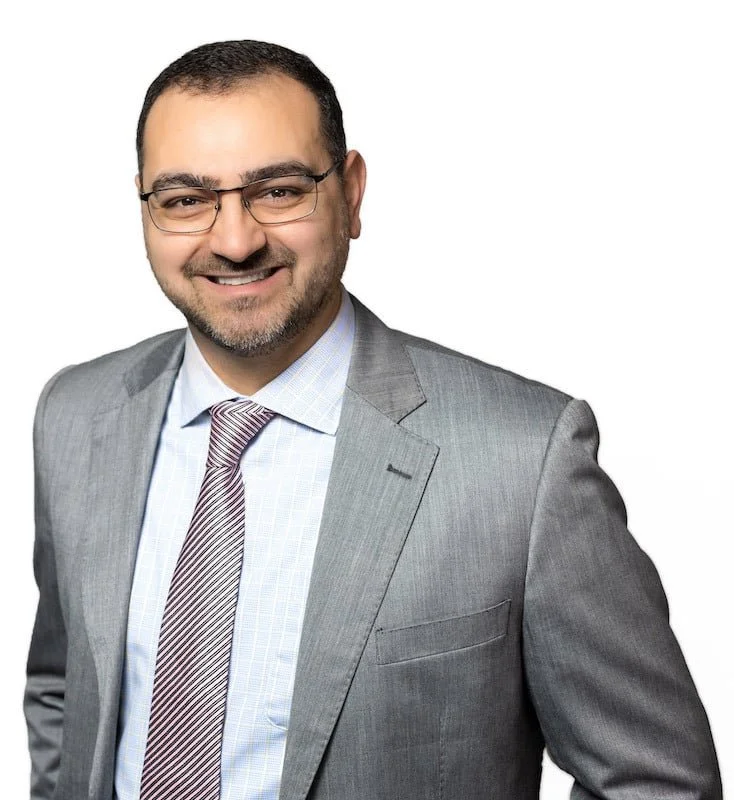

Medically reviewed by Dr. Salim Saba, MD, FACS ·
Breast Lift vs Breast Augmentation: Two Different Goals
When comparing breast lift vs breast augmentation, the most helpful starting point is understanding what you want to change: breast position, breast fullness, or both. Pregnancy, breastfeeding, weight changes, and aging can affect the skin and breast tissue in different ways. Some breasts lose volume but remain fairly well positioned. Others begin to droop, with the nipples sitting lower or pointing downward. Many people notice both changes. Neither appearance is a medical problem by itself, but surgery may be an option if the changes bother you and you understand the benefits and limits.
A breast lift, also called mastopexy, removes extra skin and reshapes existing tissue to create a higher breast position. Breast augmentation adds volume, most often with implants. These procedures are not interchangeable: an implant can fill a breast, but it cannot reliably lift a nipple that sits too low. A lift can improve shape, but it does not substantially increase breast volume. At Cumberland Plastic Surgery of Kentucky, Dr. Salim Saba helps patients separate these goals and consider whether a lift, augmentation, or a combined procedure fits their needs.
Is the Main Concern Deflation, Drooping, or Both?
Deflation means the breasts have lost fullness, often most noticeably in the upper portion. You may find that your bra cups no longer feel filled out, even though your nipples still face forward and sit above the crease beneath the breast. Drooping, or breast ptosis, involves a change in position as the skin stretches and the breast tissue settles lower. Nipples may sit at or below the breast crease or point toward the floor. Looking in a mirror can help you describe your concerns, but nipple position alone does not determine the best operation.
During a consultation, your surgeon evaluates skin stretch, breast volume, nipple position, breast width, and any differences between the two sides. Your health history, previous breast surgery, and desired size also matter. A patient seeking breast sagging solutions in Russellville may need a different approach from someone whose main concern is a smaller breast size after pregnancy. Photos of your preferred shape can help explain your goals, but another person's results cannot predict yours. The aim is a plan that respects your anatomy rather than forcing it to match a particular image.
How a Breast Lift Restores Position and Shape
A breast lift raises and reshapes sagging breasts by removing loose skin, supporting the remaining tissue, and moving the nipple and areola to a higher position. The areola, the darker skin around the nipple, can sometimes be reduced if it has stretched. In most standard lifts, the nipple remains attached to its underlying tissue and blood supply. Incisions may circle the areola, extend vertically toward the breast crease, or also run along that crease. The pattern depends on how much lifting and skin removal are needed, not simply on a preference for fewer scars.
A lift without implants may suit someone who likes their current breast volume but wants a more lifted contour. Reshaping can improve proportions, although the breasts may appear smaller or fit bras differently afterward. A lift does not guarantee the rounded upper-breast fullness that some patients want from implants, and it cannot permanently prevent future sagging. Scars are expected and generally soften over time, but they do not disappear. For patients exploring mastopexy in Bowling Green, KY, a consultation offers a chance to review likely incision placement and what a lift alone can realistically accomplish.
When Augmentation or a Lift With Implants May Help
Breast augmentation may be appropriate when the main goal is greater volume, improved fullness, or a change in breast proportions. Implants come in different sizes, shapes, and profiles, and the choice should account for your chest width, available tissue, and desired appearance. Augmentation alone may improve the look of mild skin looseness in selected patients, but significant drooping usually requires a lift. Choosing a larger implant to avoid a needed lift can add weight and strain the skin without correcting nipple position. Larger is not automatically better or more lasting.
For someone with both volume loss and low breast position, a breast lift with implants in Kentucky may address both concerns. The lift adjusts the skin and nipple position while the implant adds fullness. These operations can sometimes be performed together, but a staged approach may be safer or more predictable for certain patients. Combining procedures adds complexity because the lift tightens the skin while the implant expands it. Some patients prefer to avoid implants and use their existing tissue alone. Dr. Saba can explain these trade-offs, including the possibility of future revision surgery.
Planning for Safety and Recovering From a Breast Lift
Before surgery, your surgeon reviews your medical conditions, medications, supplements, nicotine use, and breast health history. Breast imaging may be recommended based on your age, symptoms, risk factors, and screening schedule. Nicotine increases the risk of wound-healing problems, so follow your surgeon's instructions about stopping tobacco and other nicotine products. Both procedures carry risks, including bleeding, infection, anesthesia complications, uneven results, changes in nipple sensation, and additional surgery. A lift also carries risks of delayed healing and, rarely, loss of skin or nipple tissue. Implants add risks such as rupture, shifting, and scar tightening around the implant, called capsular contracture.
Recovering from a breast lift usually involves swelling, bruising, soreness, incision care, and a supportive surgical bra. You will need someone to drive you home and may need help with childcare and household tasks. Return to work depends on your healing and how physically demanding your job is. Heavy lifting and strenuous exercise are commonly restricted for several weeks, with timing set by your surgeon. Recovery varies, especially when a lift and augmentation are combined. Call your care team about fever, increasing redness, drainage, or sudden breast swelling; seek urgent help for chest pain or trouble breathing.
Common Questions About Size, Pregnancy, and Long-Term Results
Patients often ask whether a lift will change their cup size or whether implants are required. A lift does not require implants, and bra sizing is too inconsistent to promise a particular cup size. Removing skin and reshaping tissue can change how your breasts fit in a bra even without a major change in volume. Patients also ask about breastfeeding. Some people can breastfeed after a lift or augmentation, but either operation may affect milk production, and success cannot be guaranteed. If pregnancy or breastfeeding is planned soon, waiting may make sense because those changes can alter the surgical result.
Another common concern is how long results last. A lift can provide a lasting improvement in position, but aging, gravity, pregnancy, and weight changes continue to affect the breasts. Maintaining a stable weight may help limit some changes. Implants are not lifetime devices and may require removal or replacement because of complications or changing preferences. Patients with silicone implants should discuss recommended imaging to check for silent rupture. Certain uncommon cancers have also been reported around breast implants, including BIA-ALCL, which is associated mainly with textured implants. Your surgeon should review implant-specific risks and explain symptoms that need evaluation.
Why Choose Dr. Saba as Your Plastic and Reconstructive Surgeon
Choosing breast surgery is personal, and you deserve clear guidance without pressure. Dr. Salim Saba, MD, FACS, is a dual board-certified plastic and reconstructive surgeon with more than 15 years of experience and expertise in microsurgery. At Cumberland Plastic Surgery of Kentucky, he evaluates your breast anatomy, listens to your concerns, and explains the benefits and limits of each option. Whether you are considering the practice's Breast Lift (Mastopexy) procedure or exploring added volume, the consultation should help you understand the proposed approach, expected scars, recovery needs, and risks before making a decision.
The practice serves Russellville, Bowling Green, and the tri-state region of Kentucky, Tennessee, and Indiana. Virtual consultations are available, although an in-person examination may be needed to finalize a surgical plan. Breast lifts and augmentation performed for appearance alone are generally not covered by insurance; qualifying reconstructive care may be covered depending on your plan and medical needs. To explore which procedure may fit your goals, request a consultation with Cumberland Plastic Surgery of Kentucky by calling 270.783.3301. You do not need to arrive with a procedure already chosen—understanding your options is the first step.
Learn more about Breast Lift (Mastopexy) with Dr. Saba.
This article is for educational purposes and is not a substitute for a personal medical consultation.